
Every business has a responsibility to identify workplace hazards and take reasonable steps to protect employees, visitors, contractors, and other people who may be affected by its activities. However, understanding potential risks and putting effective control measures in place can be challenging, particularly for businesses operating in complex or higher-risk environments.
A Risk Assessment Consultant can provide professional guidance to help businesses identify hazards, assess risks, review existing controls, and develop practical safety measures. From workplace inspections and general risk assessments to Fire Risk Assessment, professional support can help businesses take a structured approach to managing health and safety.
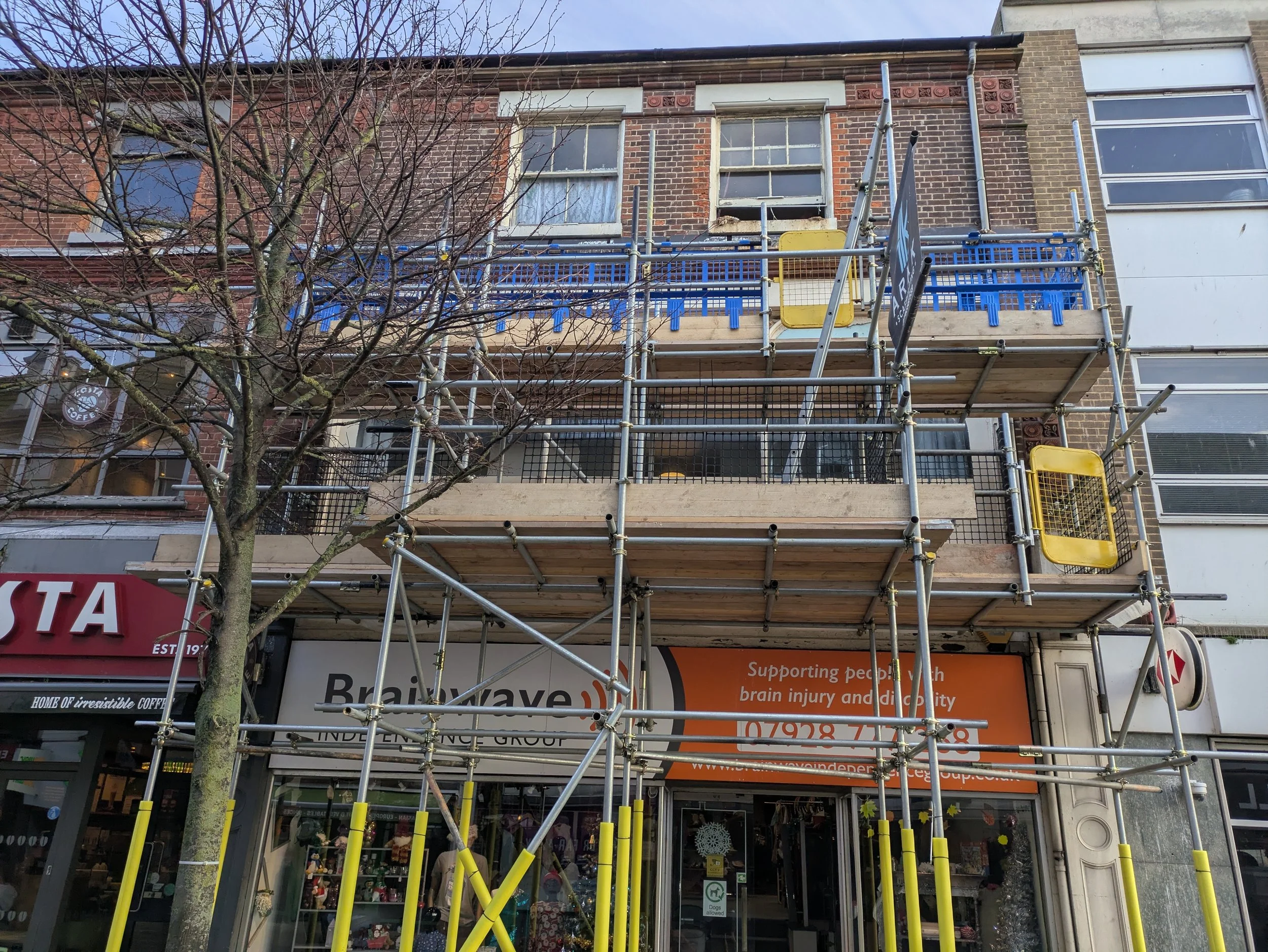
Five important reasons why your business may benefit from working
1. Identify Workplace Hazards More Effectively
One of the main reasons to use a Risk Assessment Consultant is to gain an independent perspective on workplace hazards.
Employees and managers who work in the same environment every day can sometimes become accustomed to particular processes or conditions. As a result, hazards may not always receive the attention they deserve. An independent consultant can examine your workplace, activities, equipment, and procedures with a fresh perspective.
Depending on your business, potential hazards may include:
Slips, trips, and falls
Manual handling activities
Machinery and equipment
Electrical hazards
Working at height
Hazardous substances
Workplace transport
Fire hazards
Poor housekeeping
Construction-related risks
A consultant can help identify significant hazards and assess who could potentially be harmed. This can provide your business with a clearer understanding of the risks associated with everyday operations.
2. Develop Practical Risk Assessments
A risk assessment should be relevant to the actual work being carried out. Generic documents may not adequately reflect the hazards present within a particular workplace.
A Risk Assessment can help businesses develop assessments based on their specific activities, premises, equipment, employees, and working procedures.
A professional assessment generally considers the hazards present, who may be affected, the level of risk, and the control measures required to reduce that risk.
For example, a warehouse may need to consider forklift movements, storage arrangements, manual handling, pedestrian routes, and loading activities. A construction business may need to consider working at height, site access, machinery, excavations, temporary works, and changing site conditions.
The assessment should also be reviewed when circumstances change. New equipment, changes to working methods, new premises, or significant incidents may all indicate that existing assessments need to be reconsidered.
3. Improve Fire Safety Management
Fire safety is an important consideration for many workplaces. A Fire Risk Assessment can help identify potential fire hazards, evaluate who may be at risk, and consider whether existing fire safety measures are appropriate.
A professional consultant can assess areas such as:
Potential sources of ignition
Flammable materials
Electrical equipment
Fire detection and warning systems
Emergency lighting
Fire escape routes
Fire doors
Fire extinguishing equipment
Emergency procedures
Staff awareness and training
Arrangements for people who may require additional assistance
A Fire Risk Assessment should reflect the individual characteristics and use of the premises rather than simply relying on a standard template.
Professional assistance can be particularly useful where a business occupies a large or complex building, has multiple occupants, stores combustible materials, or has other circumstances that create additional fire safety considerations.
Regular review is also important because fire risks can change as the workplace, equipment, staffing, or business activities change.
4. Support Health and Safety Compliance
Businesses need to understand and manage their workplace health and safety responsibilities. However, keeping up with relevant requirements and ensuring that procedures are properly implemented can be difficult when health and safety is not the organisation's primary area of expertise.
A Risk Assessment Consultant can review existing health and safety arrangements and identify areas that may require improvement.
This support can include reviewing:
Health and safety policies
Risk assessments
Method statements
Emergency procedures
Inspection records
Training arrangements
Workplace procedures
Contractor management
Safety documentation
The consultant can provide recommendations based on the risks identified within the business. This can help management develop a more organised approach to workplace safety.
For construction companies and contractors, professional risk assessment support can also be useful when preparing project-specific documentation and managing risks that can change throughout a project.
The purpose is not simply to create paperwork. Risk assessments and safety procedures should be practical documents that help employees and management understand how risks are being controlled.
5. Save Time and Strengthen Your Safety Approach
Managing risk internally can require considerable time, particularly when managers already have multiple operational responsibilities. Researching requirements, inspecting workplaces, preparing documentation, reviewing existing assessments, and monitoring controls can all require specialist knowledge and resources.
Working with a Risk Assessment Consultant can give businesses access to professional support when it is needed.
Instead of relying entirely on internal staff, a consultant can assist with specific projects or provide ongoing advice. This can be particularly useful for smaller businesses that may not have a dedicated health and safety professional.
Professional support can also help create a more consistent approach to risk management. Rather than addressing hazards only after an incident occurs, businesses can establish processes for identifying risks proactively and reviewing control measures regularly.
When Should You Hire a Risk Assessment Consultant?
There are several situations where professional assistance may be appropriate. You may want to consult a Risk Assessment Consultant if:
You are starting a new business or workplace.
You are moving into new premises.
Your business is expanding.
You are introducing new machinery or equipment.
Your working procedures have changed.
You have identified new workplace hazards.
You have experienced an accident or near miss.
Your existing risk assessments are outdated.
You need a Fire Risk Assessment.
You are preparing for an audit or inspection.
Your employees require additional safety guidance.
You do not have dedicated health and safety expertise internally.
Seeking professional advice can help you understand what needs to be reviewed and where improvements may be appropriate.
Choosing the Right Risk Assessment Consultant
Not every business has the same risks, so it is important to choose a consultant with relevant experience. Before appointing a Risk Assessment Consultant, consider their experience with your industry, the types of assessments they provide, and whether they understand the practical requirements of your workplace.
Ask whether they can support your business with areas such as general risk assessments, Fire Risk Assessment, workplace inspections, health and safety policies, method statements, audits, and ongoing advice.
A good consultant should take the time to understand your business rather than simply providing generic documentation. Their recommendations should be practical, understandable, and relevant to the risks your organisation actually faces.
Take a Proactive Approach to Workplace Risk
Effective risk management starts with understanding the hazards associated with your business and taking appropriate steps to control them. Professional support can make this process easier to manage, particularly when risks are complex or your organisation does not have dedicated health and safety expertise.
From identifying workplace hazards and developing practical assessments to completing a Fire Risk Assessment and reviewing existing safety arrangements, a Risk Assessment Consultant can provide valuable guidance.
Regularly reviewing your risk management procedures can help your business respond to changes and maintain a more structured approach to workplace safety. Rather than waiting for an accident or serious issue to highlight a weakness, businesses can take proactive steps to identify and manage risks as part of their normal operations.